Sutton Council fines: illegal dumping rules for Belmont
If you live or work in Belmont, fly-tipping is one of those problems that feels small right up until it lands on your pavement, your driveway, or outside your shop. Then it becomes very real, very quickly. This guide explains Sutton Council fines: illegal dumping rules for Belmont in plain English, so you know what counts as illegal dumping, what can happen if waste is left incorrectly, and how to stay on the right side of local rules without turning a simple clearance into a headache.
Whether you are dealing with a few black bags, an old sofa, builder's rubble, or a whole garage that has somehow filled up over the years, the key is the same: treat waste properly, keep evidence of lawful disposal, and do not assume that "someone else will sort it". In practice, that's where people get caught out. Let's make it simpler.
For residents and businesses who want a cleaner, safer way to clear waste, pages like waste removal services, house clearance, and furniture disposal can be useful starting points when a job needs doing properly.
Table of Contents
- Why Sutton Council fines: illegal dumping rules for Belmont Matters
- How Sutton Council fines: illegal dumping rules for Belmont Works
- Key Benefits and Practical Advantages
- Who This Is For and When It Makes Sense
- Step-by-Step Guidance
- Expert Tips for Better Results
- Common Mistakes to Avoid
- Tools, Resources and Recommendations
- Law, Compliance, Standards, or Best Practice
- Options, Methods, or Comparison Table
- Case Study or Real-World Example
- Practical Checklist
- Conclusion
- Frequently Asked Questions
Why Sutton Council fines: illegal dumping rules for Belmont Matters
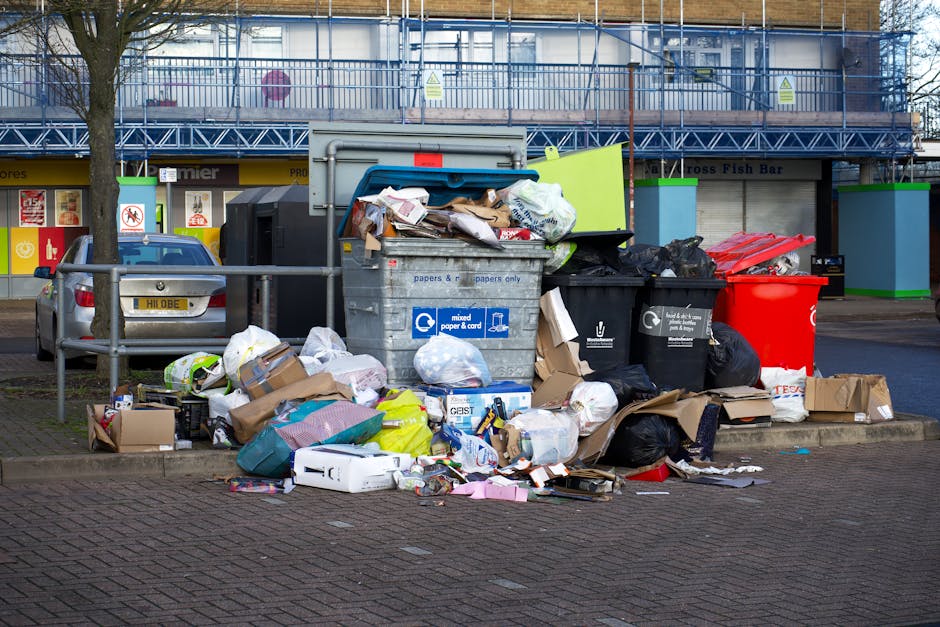
Illegal dumping is not just an eyesore. It can block footpaths, attract pests, create safety risks, and leave local people footing the bill for a mess they did not make. In Belmont, that matters because the area is a mix of homes, flats, small businesses, streets with regular parking pressure, and properties where waste left near a boundary can spread fast. One bag in the wrong place often turns into three, then five, then a nasty little pile that nobody wants to claim.
Sutton Council fines are designed to discourage exactly that behaviour. The rules exist to protect streets, public land, private property, and the wider environment. They also support a basic standard of neighbourliness. Truth be told, most people are perfectly happy to dispose of waste properly when the process is clear. Problems usually start when someone is rushed, trying to save money, or relying on a dodgy collection offer that sounded convenient at the time.
There is also a practical side. If waste is dumped and traced back to you, the cost is rarely just the fine itself. You may also face removal costs, time lost dealing with enquiries, and a lot of stress. Nobody wants that. Not on a Tuesday morning, not ever.
Quick takeaway: in Belmont, the safest approach is simple: keep waste contained, use lawful disposal routes, and keep records of who collected what. If you cannot explain where the rubbish went, that is usually a red flag.
How Sutton Council fines: illegal dumping rules for Belmont Works
While exact enforcement decisions can vary by situation, the basic process usually follows a familiar pattern. If waste is found dumped illegally, the council may investigate who is responsible. That can include looking at labels, addresses on packaging, CCTV where available, witness reports, vehicle details, or other identifying clues. People often assume a bag is "just a bag". It rarely is. Bills, shipping labels, or even a letter tucked inside can become evidence.
In many cases, responsibility can be linked back to the person who produced the waste, the person who left it out, or the person who arranged the disposal. That is why handing rubbish to an unlicensed or unknown collector can be risky. If they dump it in a lane, on a verge, or by the wrong bin store, the paper trail may come back to you. It is one of those uncomfortable realities of waste disposal.
Fines and enforcement measures are meant to discourage repeat behaviour, but the wider point is compliance. A legitimate collection should be clear about what is being taken, how it will be handled, and where it will go. If you are clearing bulky items, mixed waste, or a property after a move, using a structured service is usually a safer route than improvising with a borrowed van and a hopeful attitude.
For commercial properties, proper paperwork and reliable handling matter even more. If you are managing offices or work spaces, business waste removal and office clearance are the sorts of services that can reduce risk and keep things tidy.
Key Benefits and Practical Advantages
Following the rules is not only about avoiding a fine. It also makes everyday life easier. A lawful, organised waste process is calmer, cleaner, and far less likely to boomerang back on you later. That alone is worth quite a lot.
- Less risk of penalties: proper disposal lowers the chance of council action or costly follow-up issues.
- Cleaner streets and entrances: a neat property looks better and feels safer for everyone.
- Fewer neighbour disputes: no one enjoys bags left beside a shared fence or bin area for days on end.
- Better traceability: keeping records helps prove you used a lawful disposal route.
- Less stress during clear-outs: whether you are moving, renovating, or sorting an inherited property, a process helps.
There is also a hidden benefit people overlook: time. If waste is handled properly the first time, you do not spend the next week chasing missing collections, apologising to neighbours, or trying to work out who dumped the sofa behind the hedge. That sort of mess has a way of eating into your day.
Who This Is For and When It Makes Sense
This topic matters to almost anyone in Belmont, but especially to people who generate bulky or mixed waste. A lot of the risk comes from ordinary situations, not dramatic ones. A front room clear-out. A kitchen replacement. A garden overhaul. A small office refresh. Nothing exotic.
You may need this guidance if you are:
- moving out of a flat or house and have items left over
- clearing an inherited property or helping a family member downsize
- disposing of old furniture, mattresses, or white goods
- removing builder's waste after refurbishment
- sorting garden cuttings, soil, or broken outdoor items
- running a business and dealing with regular waste storage issues
If you are in a smaller property, waste often accumulates in awkward corners: the hallway, the shed, the loft hatch you have been pretending not to see. If that sounds familiar, services like flat clearance, loft clearance, and garage clearance can make the job much more manageable.
Step-by-Step Guidance
If you want to stay compliant and avoid the kind of situation that can lead to council enforcement, a steady approach works best. Here is a practical order to follow.
- Identify the waste clearly. Separate general rubbish, bulky items, recyclables, garden material, and any builder's debris.
- Check what should never be left out. Avoid placing loose bags, broken items, or mixed waste on pavements, by fences, or near communal areas without an arranged collection.
- Choose a lawful disposal route. Use a licensed waste carrier or a recognised local service where appropriate.
- Ask what happens to the waste. A proper provider should be able to explain collection, sorting, and onward disposal or recycling.
- Keep your paperwork. Save receipts, booking confirmations, and any collection details. Old-fashioned? A bit. Useful? Absolutely.
- Do a final sweep. Check corners, behind doors, under shelves, and around bin stores. You will be surprised how often small items are missed.
If you are dealing with bulky household items, it can help to use a targeted service rather than trying to piece the job together. Furniture clearance, home clearance, and house clearance are often more efficient than a series of improvised trips to the tip. Or whatever route people think is easiest that week.
Expert Tips for Better Results
There are a few habits that make a big difference in real life. Most of them are simple, which is exactly why they get ignored.
1. Sort before you move anything. If you carry everything to the curb first, you often end up with a messy pile and extra handling. Sorting inside the property is neater and safer.
2. Photograph the waste before collection. This helps if you need to show what was removed and when. It is one of those boring little things that pays off later.
3. Be cautious with cheap offers. If the price sounds too good and there is no clear explanation of disposal, pause. Ask questions. A polite one-minute check can save you a very expensive clean-up.
4. Keep access in mind. Narrow side passages, basement steps, tight stairwells, and parking restrictions all matter. In Belmont, a collection can go smoothly one day and be awkward the next simply because access changed.
5. Think about the end point. Waste should not just disappear into the vague void of "someone took it". You want a provider with proper handling and, where possible, recycling-minded processes. That is especially relevant for anyone who cares about reducing landfill use.
A small but important detail: if waste is left out overnight, damp weather can make cardboard collapse, bags split, and debris spread. On a wet evening, that mess becomes much harder to control. You can practically hear the soggy cardboard giving up. Not ideal.
Common Mistakes to Avoid
Most illegal dumping problems do not begin with bad intentions. They begin with shortcuts. Here are the most common ones.
- Leaving waste beside bins without a scheduled collection. Even if it feels temporary, it can still count against you.
- Handing items to an unknown collector. If they dump it later, you may still be associated with the waste.
- Mixing different waste types together. This makes disposal harder and may increase the risk of non-compliance.
- Ignoring bulky items after a move. Old furniture and broken household goods are often the items that get left behind.
- Assuming "out of sight" means "out of responsibility". It really does not.
People also forget the paperwork side. If you cannot show who removed the waste, when they did it, and what was included, proving your position becomes harder. That is especially frustrating if a neighbour complaint starts the process. Better to have the records and not need them than the other way around.
Tools, Resources and Recommendations
You do not need fancy tools to handle waste properly, but a few simple things help a lot.
- Sturdy sacks and boxes: useful for containing loose household waste.
- Gloves and basic protective gear: important for broken glass, sharp edges, or dusty loft contents.
- Labels or marker pens: good for separating recyclables, keep, donate, and remove piles.
- Phone camera: useful for before-and-after records.
- Booking notes and receipts: keep them in one place so you can find them quickly if needed.
If you are clearing a property with mixed contents, it may help to pair the disposal process with a more structured service. For example, garden clearance can help with green waste after landscaping, while builders waste clearance is better suited to rubble, timber offcuts, and renovation debris. For a more personal or household-focused job, furniture clearance may be the cleaner option.
It is also sensible to understand the provider's broader standards. If you want reassurance about process, look at pages such as recycling and sustainability, health and safety policy, and insurance and safety. Those details matter more than people think.
Law, Compliance, Standards, or Best Practice
When people talk about illegal dumping, they usually mean waste being left or deposited where it should not be, or handed to someone who does not deal with it properly. In UK practice, the safe rule of thumb is straightforward: if you produce waste, you remain responsible for making sure it is transferred and handled lawfully. That does not mean you need to become a legal expert overnight. It does mean you should be careful about who takes your rubbish and how they do it.
Best practice usually includes:
- using a licensed and traceable waste collection route
- keeping evidence of collection and disposal
- separating waste types where practical
- avoiding unauthorised roadside or boundary dumping
- checking that bulky items are not left in communal or public spaces
For businesses, the standard should be even tighter. Waste storage areas should be tidy, bins should not overflow, and collections should be planned around trading hours so waste does not sit around longer than necessary. A small lapse can become a complaint very quickly, especially where customers or residents pass by every day.
There is no benefit in guessing when it comes to disposal responsibility. If a collection seems vague, rushed, or oddly informal, step back and ask for clarity. Better a slightly awkward conversation now than a bigger one later.
Options, Methods, or Comparison Table
People usually have three broad options: DIY disposal, council-style arrangements where available, or a professional clearance service. Each can work, but they suit different situations.
| Option | Best for | Strengths | Watch-outs |
|---|---|---|---|
| DIY disposal | Small volumes and light items | Flexible, immediate, familiar | Time-consuming, harder to manage bulky waste, higher risk of mistakes |
| Planned council route | Residents who can follow the local process carefully | Structured, straightforward when booked correctly | May not suit urgent, mixed, or bulky clear-outs |
| Professional clearance service | Households, landlords, and businesses with larger or mixed waste | Efficient, organised, easier to document | Costs vary depending on volume, access, and waste type |
To be fair, the best option often depends on the mess in front of you. A few bags are one thing. A hallway full of furniture after a tenant move-out is another. If the job involves bulky items, a professional route often saves more time than people expect, which is why services like garage clearance and loft clearance can be a good fit.
Case Study or Real-World Example
Imagine a Belmont homeowner clearing a spare room after years of storing boxes, an old armchair, a broken printer, and several bags of mixed household waste. It starts as a "quick tidy". Then the pile grows. Then there is nowhere to walk without stepping around it. We have all seen a version of this.
The homeowner has two choices: leave it out in stages and hope it disappears, or arrange proper collection and keep records. The second option is slower in the moment, but far safer. The waste is separated, collected in one go, and the house feels normal again. No bags sitting outside in the drizzle, no awkward notes from neighbours, no mystery about where the items went.
A similar logic applies to a small office or shop unit. Chairs, filing cabinets, packaging, and broken fixtures should not be left near shared entrances or back lanes. A structured office clearance or business waste removal approach is usually the calmer route, especially when there are staff, clients, or nearby residents to think about.
The lesson is simple: tidy waste management prevents messy consequences. Nothing glamorous there, but it works.
Practical Checklist
Use this before any clearance or disposal job in Belmont.
- Have I identified every item that needs removing?
- Have I separated recyclables, general waste, bulky items, and garden or builders' waste?
- Do I know who is taking the waste and how it will be handled?
- Have I avoided leaving items on pavements, verges, or beside communal bins?
- Do I have photos or notes of what was collected?
- Have I kept receipts or booking confirmation?
- Does the access route need measuring or clearing first?
- Have I checked for sharp, heavy, or awkward objects that need extra care?
- Is there anything that should be reused, donated, or recycled instead of dumped?
- Have I reviewed the provider's terms, security, and insurance details where relevant?
If you can tick most of those off, you are already in a much better place than many people who get into trouble. It does not need to be complicated. Just consistent.
For any clearance that feels bigger than a quick tidy-up, it is sensible to compare options and ask for clear pricing. A transparent service can save a lot of grief, and it is usually easier than juggling multiple trips and leftover piles. If you are exploring cost and scheduling, pricing and quotes is a practical place to start.
Get a free quote today and see how much you can save.
Conclusion
Sutton Council fines: illegal dumping rules for Belmont are ultimately about protecting the place you live and work in. That means handling waste responsibly, choosing lawful disposal routes, and not leaving things to chance. If you remember one thing, let it be this: tidy waste habits are cheaper, safer, and far less stressful than cleaning up after a mistake.
Belmont is a busy, lived-in part of Sutton, and waste issues can appear in very ordinary ways. A move, a renovation, a garden clear-out, a room full of old furniture. None of that is unusual. What matters is how you deal with it. A proper plan keeps you compliant and keeps the street looking like people actually care about it. Which, thankfully, most of them do.
If you are clearing a property now, choose the route that leaves you with fewer worries tomorrow. That is usually the smartest move, and honestly, the one people feel better about at the end of the day.
Frequently Asked Questions
What counts as illegal dumping in Belmont?
Illegal dumping usually means leaving waste where it should not be, or passing it to someone who does not dispose of it properly. That can include bags, furniture, rubble, garden waste, or mixed rubbish left in public or shared spaces.
Can I leave bags beside a bin if the collection is full?
Not usually. If a bin is full, leaving extra bags beside it can still cause enforcement problems. It is better to store the waste safely until an arranged collection or alternative lawful disposal route is available.
Am I responsible if I gave waste to a collector and they dumped it?
Potentially, yes. Responsibility can sometimes follow the waste back to the person who arranged disposal, which is why using a reliable, traceable collector matters so much.
What should I do if I find dumped waste near my property?
Do not move anything hazardous without care. Take photos, note the location, and report it through the proper local route. If the waste is on private land, you may need to arrange safe removal yourself.
How can I prove I disposed of waste properly?
Keep receipts, booking confirmations, photos, and any notes that show what was collected and when. That paper trail can be very helpful if questions come up later.
Is it safer to use a clearance service for bulky items?
Often, yes. Bulky furniture, mixed household waste, and renovation debris are the sorts of loads that can become awkward fast. A structured clearance service is usually less risky than improvising.
What types of waste commonly cause problems?
Old sofas, mattresses, broken appliances, builder's rubble, garden cuttings, and mixed black bags are common troublemakers. They are bulky, hard to move, and easy to leave behind if a plan is not in place.
Does garden waste count as illegal dumping if left outside?
It can, if it is left in a place or way that is not permitted. Even green waste should be contained and removed properly rather than abandoned on verges, pavements, or communal areas.
What is the difference between rubbish removal and house clearance?
Rubbish removal is usually about taking away general waste or mixed items. House clearance is broader and often involves clearing rooms, furniture, appliances, and other contents from a property.
How do I choose a reliable waste provider?
Look for clear communication, transparent pricing, proper documentation, and a sensible explanation of how waste will be handled. If the service feels vague or evasive, that is a warning sign.
Can businesses in Belmont face the same issues as residents?
Yes, and often more so. Businesses generate regular waste and usually have public-facing entrances or shared access points, so poor waste handling can become visible and costly quickly.
What is the best first step if I have too much waste to handle alone?
Sort the items, separate what can be reused or recycled, and then arrange a lawful collection that fits the volume and type of waste. If you want a straightforward starting point, it helps to look at home clearance or waste removal depending on the job.
For more about the company, you can also review about us and the practical details in the terms and conditions. If you have questions about how your details are handled, the privacy policy is there as well.
And if you are still weighing up a larger clearance job, it never hurts to ask a few careful questions first. That little bit of planning usually makes the whole thing feel a lot less daunting.