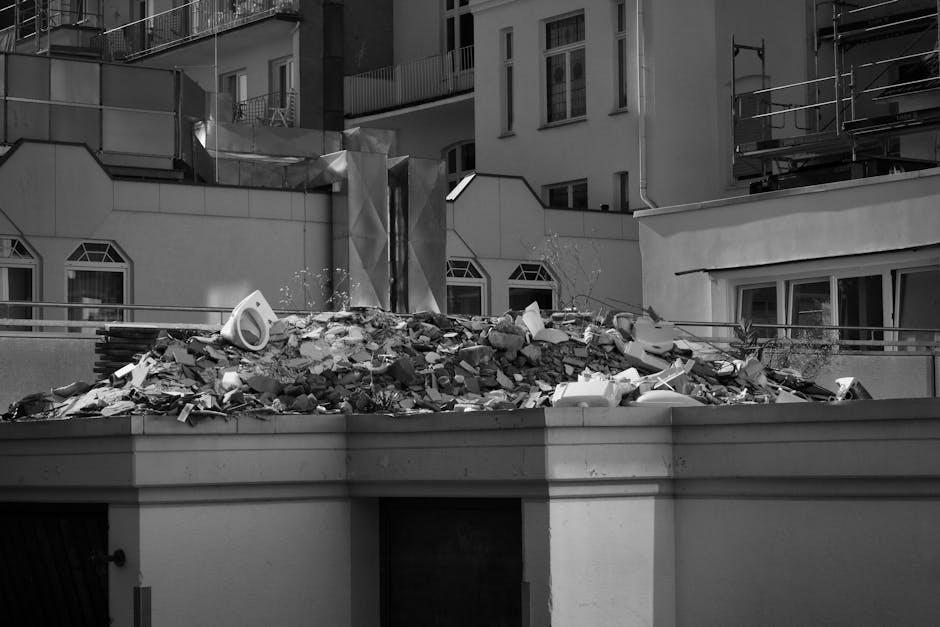
Post-renovation waste removal for Belmont lofts: a practical guide for a cleaner finish
Renovating a loft is exciting right up until the last board is lifted, the plaster dust settles, and you realise there is still a mountain of broken timber, packaging, insulation offcuts, and old fixtures to deal with. That final stage can feel oddly bigger than the build itself. This guide to Post-renovation waste removal for Belmont lofts walks through what actually needs clearing, how the process works, where people go wrong, and how to handle it in a way that is tidy, compliant, and not more stressful than it has to be.
Whether you have turned a dusty attic into an office, added a bedroom, or updated a loft for rental use, the waste left behind is rarely neat. It can be awkward to move, messy in shared stairwells, and, to be fair, a bit of a headache if you are trying to get the place back to normal quickly. The good news? With the right plan, loft clearance after renovation is straightforward.
In the sections below, you will find practical advice on sorting materials, choosing the right removal method, keeping the property safe, and knowing what to expect from a professional clearance service. If you are comparing providers, you may also want to look at pricing and quote options, or read more about recycling and sustainability practices before you decide.
Table of Contents
- Why Post-renovation waste removal for Belmont lofts Matters
- How Post-renovation waste removal for Belmont lofts Works
- Key Benefits and Practical Advantages
- Who This Is For and When It Makes Sense
- Step-by-Step Guidance
- Expert Tips for Better Results
- Common Mistakes to Avoid
- Tools, Resources and Recommendations
- Law, Compliance, Standards, or Best Practice
- Options, Methods, or Comparison Table
- Case Study or Real-World Example
- Practical Checklist
- Conclusion
- Frequently Asked Questions
Why Post-renovation waste removal for Belmont lofts Matters
A loft renovation changes the most difficult part of a property to clear. Stairs are tighter, ceilings are sloped, access is often awkward, and dust seems to travel everywhere. Waste can include the obvious stuff like rubble and timber, but also the smaller, irritating bits: cable offcuts, old doors, broken tiles, packaging foam, bags of plaster, underlay, and pieces of insulation that somehow end up in every corner.
Leaving it in place for too long creates several problems. The space stays unsafe. The newly finished area is harder to inspect. Dust keeps circulating. And if you are selling, letting, or moving back into the loft, the whole property can look unfinished. A clean loft is not just about appearances; it helps protect the work you have already paid for. Truth be told, no one wants fresh paint next to a pile of renovation debris.
For Belmont homes, there is also the local reality of access and neighbour consideration. Shared driveways, narrow hallways, parking limitations, and the need to keep noise and mess down all make planning more important. Good waste removal is not glamorous, but it is the last piece that lets the renovation actually feel complete.
Expert summary: In a loft project, waste clearance is part of the finish, not an afterthought. The faster you remove debris, the easier it is to assess the workmanship, protect new surfaces, and hand the space back in good order.
How Post-renovation waste removal for Belmont lofts Works
The process is usually simpler than people expect, but there are a few moving parts. A sensible clearance starts with sorting, then safe handling, then loading and disposal or recycling. If the waste is mixed, heavy, or dusty, the job can be more time-consuming than a standard clear-out.
Typical stages of a loft waste clearance
- Site review: The team looks at access, volume, and the types of materials involved.
- Sorting: Reusable items, recyclable materials, and general waste are separated where practical.
- Safe removal: Items are carried down carefully to avoid scuffs, dust spread, or damage to stairs and walls.
- Loading: Waste is loaded into the vehicle in a way that keeps heavier materials secure.
- Disposal and recycling: Materials are taken to appropriate facilities, with recycling used where suitable.
- Final sweep: The loft and access route are checked so the area is left presentable and safe.
In many cases, a professional service is the quickest option because loft waste is rarely simple. A homeowner might think it is just a few bags, then realise there is a stack of plasterboard, old battens, packaging, and the remains of a skylight box. You know how it goes. It multiplies.
If you want to understand how a provider approaches this sort of work, the company's health and safety policy and insurance and safety information are useful places to check before booking.
Key Benefits and Practical Advantages
The advantages of a proper loft clearance after renovation go beyond speed. Done well, it makes the whole project feel calmer and more organised. That matters more than people think, especially when the rest of the house is still being lived in.
- Less disruption: Waste is removed in one go instead of being dragged through the property in stages.
- Better safety: Loose nails, sharp offcuts, broken board edges, and dust are taken out before they cause trouble.
- Cleaner finish: New flooring, paintwork, storage, or insulation is easier to inspect without rubbish in the way.
- Improved recycling potential: A sorted load is easier to separate and recover responsibly.
- Faster handover: The loft becomes usable sooner, whether for family use or rental presentation.
- Less strain on you: Carrying debris down attic stairs is tiring, and frankly not a great use of anyone's weekend.
There is also a psychological benefit. Once the waste has gone, the room starts to feel like part of the home again. Before that, it still feels like a worksite. Small difference, big effect.
Who This Is For and When It Makes Sense
This kind of clearance is useful for a wide range of people. In Belmont, it often comes up after loft conversions, dormer upgrades, insulation replacement, lighting work, or a full refurb where the attic has been stripped back to the bones.
It makes sense if you are:
- a homeowner finishing a loft conversion
- a landlord preparing a renovated loft for tenants
- a builder or tradesperson who needs post-job clearance support
- an estate agent or property manager getting a property ready for viewings
- a homeowner who started the clean-up and realised the waste is more than a car boot job
It is especially sensible when the waste includes bulky or awkward materials, like old boarding, skirting, radiators, bathroom fittings, or mixed renovation debris. If the loft has limited headroom or the staircase is steep, trying to handle it all yourself can become clumsy fast.
There is also timing to think about. If you are having decorators, carpet fitters, or storage joinery come in afterwards, they will work faster and more neatly if the site is clear. One small delay can snowball, and nobody needs that extra week of dust.
Step-by-Step Guidance
Here is a practical approach that works well for most post-renovation loft clearances. It is not fancy. It just helps the job run smoothly.
1. Separate what stays from what goes
Before anything is carried down, check whether any materials are being reused. Leftover boards, tiles, fixtures, or timber may still be useful on other parts of the project. Once they are mixed into the waste pile, that opportunity is gone.
2. Identify hazardous or awkward items
Not every renovation material is simple household waste. Dusty insulation, paint tins, old adhesives, broken glass, and sharp metal strips need careful handling. If you are not sure what a material is, do not guess. Put it aside and ask.
3. Clear the access route
Before removal starts, make space on the stairs, in the hallway, and at the exit point. A clean route reduces damage and speeds everything up. It also stops that unpleasant shuffle where everyone has to squeeze sideways with a bulky bag.
4. Bag or bundle waste sensibly
Light materials should be bagged; longer items should be tied or bundled. Heavy loads need to be split into manageable portions. Overfilled bags tear, and torn bags are the sort of thing that turns a tidy day into a dusty one.
5. Remove in the right order
Usually, it makes sense to move lighter, fragile, or dusty waste first, then bulkier items, then the heaviest materials last. This reduces breakage and keeps the space workable.
6. Sweep and inspect
Once everything is out, do a proper sweep of the loft, stairs, and landing. Check for fixings, nails, screws, and splinters. If the renovation included plastering or cutting timber, you may notice fine dust in places you would never expect, including sill edges and stair corners.
If you want a clearer sense of cost before you arrange a visit, the pricing and quotes page is a sensible next step. No mystery, no guesswork.
Expert Tips for Better Results
After a lot of clearance work, a few habits stand out as genuinely helpful.
- Book the clearance after the main building work, not before. If you bring in removal too early, more debris often appears afterwards anyway.
- Keep materials grouped by type. Wood with wood, cardboard with cardboard, general waste apart from anything reusable.
- Protect the route out. Old sheets, corner protection, or temporary floor coverings can save fresh paint and new carpet.
- Measure access before booking. Loft hatches, stair width, parking access, and load-bearing concerns matter more than most people realise.
- Be honest about volume. Underestimating the pile may sound harmless, but it slows the whole job down.
- Plan for dust. Even "empty" lofts can produce a surprising amount of it when boards and old insulation come out.
A small but useful tip: if you are keeping any items, move them out first. You will avoid the classic moment where the one box you needed most gets buried under everything else. Happens more often than people admit.
Common Mistakes to Avoid
Most problems in loft waste removal come from rushing or assuming the job is smaller than it is. That is the trap.
1. Mixing all materials together
Once everything is thrown into one heap, recycling becomes harder and sorting becomes slower. Mixed loads are normal, but a bit of order at the start saves real time later.
2. Forgetting access constraints
A loft may look spacious from the hatch, then feel cramped as soon as you try to move large boards through the staircase. Check the actual route, not just the room itself.
3. Leaving sharp or heavy items loose
Unsecured offcuts, metal fixings, and broken plasterboard edges can cause injuries or damage. Loose waste is not just untidy; it is a problem waiting to happen.
4. Trying to do too much in one lift
One overloaded bag can split halfway down the stairs. Now you have more mess and a frustrated back. Not ideal.
5. Ignoring post-job dust
People often focus on getting the rubbish out and forget the cleanup afterwards. Fine dust can settle on landing rails, skirting, and window sills for days if you do not sweep thoroughly.
6. Choosing a provider without checking trust signals
For any service involving waste handling and property access, it is worth checking business details, insurance, and policies. The company's about us page and terms and conditions can help set expectations clearly.
Tools, Resources and Recommendations
You do not need specialist machinery for every loft clearance, but the right practical tools make a big difference. For smaller DIY jobs, sensible equipment matters almost as much as elbow grease.
Useful items for a tidy clearance
- strong rubble sacks or heavy-duty bags
- work gloves with a decent grip
- dust masks if the loft is particularly dusty
- sturdy torch or head torch for darker lofts
- sweeping brush and dustpan
- sticky tape or ties for bundling timber
- cardboard or sheets to protect stairs and landings
For larger jobs, professional removal is usually the better call because the main challenge is not just lifting things. It is moving them safely through a narrow, lived-in property without causing damage. That is the bit that changes everything.
If sustainability matters to you, it should, the recycling and sustainability approach is worth reviewing alongside any quote. Responsible disposal is not a bonus feature; it is part of doing the job properly.
And if you want a clear route to the next step, the contact page is the straightforward place to ask questions, confirm access, or discuss a loft clearance that feels a bit awkward on paper.
Law, Compliance, Standards, or Best Practice
For loft renovation waste, the main thing is to handle materials responsibly and use a service that understands safe loading, transport, and disposal expectations in the UK. You do not need to become a waste law expert overnight. But you should expect careful handling, sensible separation where possible, and proper disposal routes.
Some materials need more attention than ordinary household rubbish. That can include old electrical items, sharp construction waste, treated timber, or materials contaminated with dust and debris from the renovation. If an item seems unusual, treat it cautiously rather than casually.
Best practice also includes:
- clear communication about access and load size
- careful handling to avoid injury or damage
- respectful behaviour in residential streets and shared spaces
- transparent pricing and job scope
- evidence of insurance and safety procedures where appropriate
For peace of mind, it helps to choose a company with a clear health and safety policy and visible commitment to safe operations. It is one of those unglamorous things that tells you a lot.
Options, Methods, or Comparison Table
There is more than one way to handle post-renovation waste. The right choice depends on how much debris you have, how awkward the access is, and how much time you want to spend on it yourself.
| Method | Best for | Pros | Trade-offs |
|---|---|---|---|
| DIY loading and disposal | Very small loft jobs with light waste | Can be cheaper upfront, full control | Time-consuming, physically tiring, access issues, transport needed |
| Skip hire | Medium-to-large renovation waste with outdoor space | Convenient for ongoing work, can handle mixed debris | Needs space, may require permits, loading is still your job |
| Professional waste removal | Awkward loft access, bulky debris, quick turnaround | Fast, labour included, less disruption, safer for the property | Usually the higher service-led option, depends on volume and access |
For many Belmont lofts, professional removal makes the most sense because the stairs, parking, and narrow access routes can make skip loading less practical. If you are not sure, think about the last time you carried something awkward downstairs while trying not to knock a wall. Exactly.
Case Study or Real-World Example
Imagine a typical loft conversion in Belmont: new plasterboard installed, old insulation removed, timber offcuts stacked in corners, packaging from windows and fittings tucked behind beams, and a few bags of dust-heavy debris waiting at the hatch. The room itself is nearly finished, but the access route is tight and the stairs are carpeted.
In a case like that, a sensible clearance starts with protecting the landing and stairs, then removing the lighter waste first so the route stays open. Larger board sections come out next, then the heavier rubble bags last. If there are a few reusable items, those are separated before the final load goes. The result is not just a cleaner loft; it is a room that feels finished enough for final decorating, storage installation, or a handover to the homeowner.
What people often notice at the end is the difference in atmosphere. The space sounds different. Less crunch underfoot, less dust in the light, less echo of "work still to do." It becomes a room again, which is really the point.
Practical Checklist
Use this checklist before arranging post-renovation waste removal for a Belmont loft.
- Confirm which materials are waste and which will be reused
- Identify any sharp, dusty, or awkward items
- Clear the loft access route and downstairs path
- Measure stair width, hatch size, and parking limitations
- Separate bulky items from loose bagged waste
- Protect carpets, walls, and corners where needed
- Check whether recycling can be separated from general waste
- Ask about insurance, safety procedures, and disposal handling
- Agree the collection time and whether the job needs more than one visit
- Plan a final sweep once the waste has gone
Quick reminder: if the waste includes mixed construction debris, do not leave it until the last day and hope for the best. That is how the small job becomes the stressful job.
Conclusion
Post-renovation waste removal for Belmont lofts is one of those jobs that looks minor from a distance but makes a huge difference in practice. Once the debris is gone, the loft becomes easier to inspect, safer to use, and much more satisfying to live with. The whole renovation feels properly finished, not just technically complete.
The best results usually come from a simple formula: sort early, plan access, protect the house, and choose the right removal method for the volume and type of waste. That way you avoid damage, save time, and keep the clean-up from stealing the joy of the renovation itself.
If you are at the stage where the build is done and the last job is getting the waste out, you are close. Very close. A good clearance is the final stretch that lets the new space breathe.
Get a free quote today and see how much you can save.
Frequently Asked Questions
What counts as post-renovation waste in a Belmont loft?
It usually includes plasterboard offcuts, timber, insulation scraps, packaging, broken fittings, old fixtures, dust bags, and general renovation debris. In short, anything left behind after the build or refit that is no longer needed.
Can I remove loft renovation waste myself?
Yes, if the amount is small and the access is easy. But lofts often involve steep stairs, dusty materials, and awkwardly shaped items, so many people find professional removal safer and less tiring.
Is skip hire better than a waste removal service?
Not always. Skip hire can suit longer projects with space outside, but it still leaves you to carry everything out. A removal service is often better for tight access or when you want the waste taken away quickly in one visit.
How do I know if the waste can be recycled?
Clean cardboard, timber, metal, and some construction materials may be recyclable depending on condition and contamination. Mixed or dusty waste is harder to sort, which is why separating materials early helps.
Do I need to clean the loft before the clearance team arrives?
A full clean is not necessary. It is more useful to make the access route clear, separate anything you want to keep, and flag any unusual or hazardous items so the team knows what to expect.
How long does loft waste removal usually take?
That depends on volume, access, and how sorted the waste is. A small clearance may be quick, while a full post-renovation load with bulky boards and mixed debris will take longer.
What should I ask before booking a clearance service?
Ask about access requirements, insurance, safety procedures, pricing structure, recycling handling, and whether the quote covers labour as well as disposal. Clear answers at the start save hassle later.
Can post-renovation waste damage my new loft finish?
Yes, if it is dragged carelessly or left in place too long. Sharp edges, dust, and heavy items can mark fresh paint, scratch floors, or damage newly fitted fixtures, so prompt removal is a smart move.
What if my loft has very tight access?
Tight access is common in Belmont lofts, especially older properties. In those cases, careful planning matters more than brute force. A professional team can usually work out the safest route and load sequence.
Are there special considerations for insulation waste?
Yes. Old insulation can be dusty, bulky, and irritating to handle, so it should be bagged or contained properly. If you are unsure about the material type, keep it separate until it can be assessed.
How much should I budget for loft waste removal?
Costs vary by volume, labour, access, and the type of waste. The most reliable approach is to request a tailored quote rather than guessing from the size of the loft alone. A little clarity upfront goes a long way.
Where can I find more information about the company's policies?
Useful pages include the about us page, insurance and safety information, and terms and conditions. If you prefer to discuss the job directly, the contact page is the best next step.