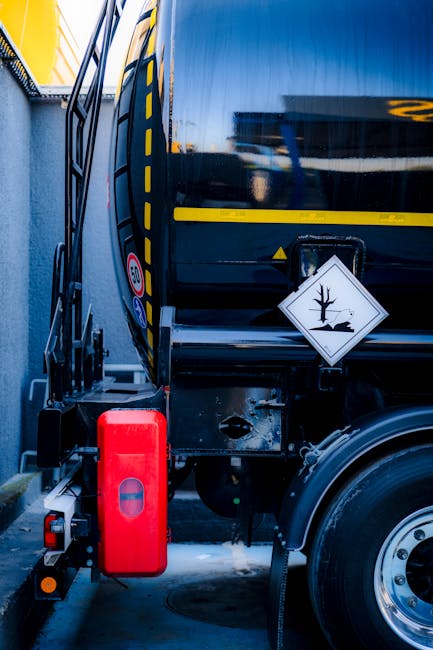
Hazardous waste laws for Belmont house clearances
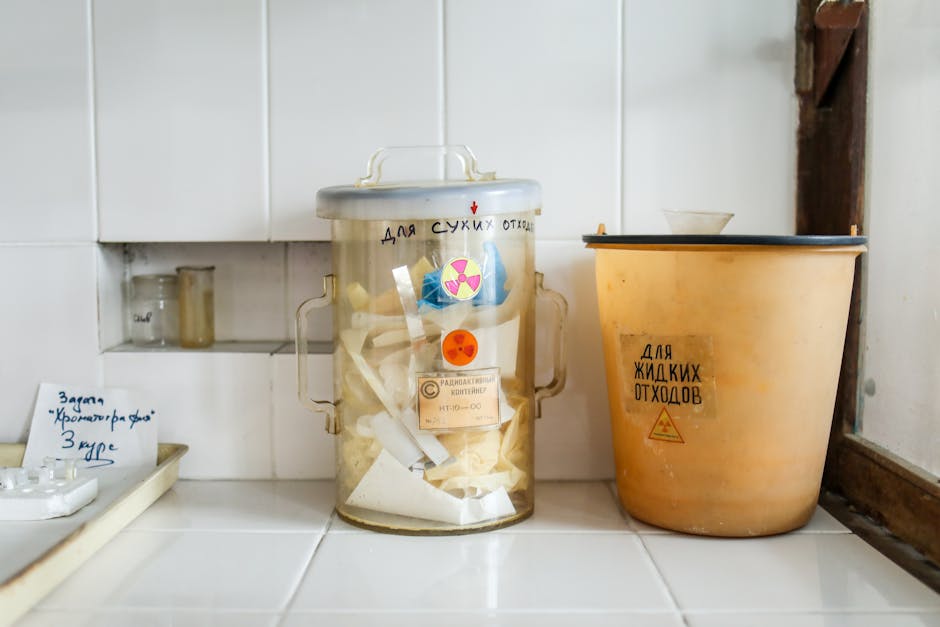
Sorting a house clearance is never just about lifting furniture and bagging up clutter. Once you get into old paint tins, fridges, batteries, solvents, fluorescent tubes, or that mystery container in the back of the garage, the job changes quickly. Hazardous waste laws for Belmont house clearances exist to keep people safe, prevent contamination, and make sure the wrong items do not end up in the wrong place. That matters whether you are clearing a family home, dealing with a probate property, or emptying a tired rental after years of stuff piling up. Truth be told, the tricky bit is not always spotting the obvious hazards. It is knowing what to do next.
This guide breaks down the rules in plain English, explains what typically counts as hazardous waste in a household clearance, and shows how to handle the process with less stress. You will also find practical steps, a checklist, and a realistic example so you can move forward with more confidence and fewer surprises.
Why Hazardous waste laws for Belmont house clearances Matters
House clearances in Belmont often look straightforward at first glance. A few wardrobes, some old books, a broken armchair, maybe a box of cables. Then you open a cupboard and find leftover bleach, a half-used tin of wood preservative, or a cracked aerosol can that has been sitting there since the last decade. That is where the law starts to matter.
Hazardous waste rules are there because these materials can harm people, damage property, and contaminate the wider waste stream. If hazardous items are mixed with ordinary household waste, they can affect loaders, sorters, drivers, and recycling facilities. Some items can leak, ignite, or release vapours. Others may contain substances that need specialist handling. Not dramatic for the sake of it, just practical reality.
For a homeowner, landlord, executor, or property manager, the biggest risk is assuming everything in a clearance can go out together. It cannot. And in Belmont, as in the rest of the UK, that mistake can lead to unsafe disposal, wasted time, and potentially enforcement problems if waste is handled badly.
Practical takeaway: if an item could burn, leak, corrode, poison, or contain pressure, chemicals, or electrical components, pause and identify it before anything is moved.
This is also why choosing the right service matters. A general clearance may be fine for normal household junk, but hazardous items need a more careful approach. If you are already planning a broader property emptying, a service such as house clearance or home clearance can be the starting point, but the hazardous pieces still need separate attention.
How Hazardous waste laws for Belmont house clearances Works
In practice, the law works by placing duties on the people handling the waste. The homeowner has a duty to avoid careless disposal. A clearance company has a duty to identify, separate, store, transport, and transfer waste properly. If something is classed as hazardous, it should not simply be mixed in with general rubbish because it is easier or quicker. Easy is not the same as lawful.
The process usually follows a few common sense steps:
- Identify the item. Is it a chemical, gas canister, battery, fluorescent tube, pesticide, oil, or another potentially dangerous item?
- Separate it from general waste. Keep it away from food packaging, textiles, wood, and general clutter.
- Check condition. Damaged containers, leaking bottles, and split packaging need extra care.
- Use suitable handling and transport. This includes safe loading, containment, and routing to the right disposal stream.
- Keep records where required. In regulated clearance work, waste transfer documentation and internal tracking are part of the job.
For householders, the most useful thing is not memorising every regulation. It is understanding the pattern. You identify, separate, and arrange proper disposal. That simple sequence avoids most problems.
There is also a practical difference between ordinary waste, recyclable bulky items, and hazardous waste. A broken sofa may belong in a furniture route, while a sofa with embedded electrical components or a damp-mould issue may need more caution. Similarly, old furniture itself is not automatically hazardous, but old varnishes, treatments, or hidden chemicals can complicate things. If you are dealing with mixed contents, pages like furniture disposal and furniture clearance can be useful alongside hazardous waste planning.
Key Benefits and Practical Advantages
Following hazardous waste rules is not just about avoiding trouble. Done properly, it improves the whole clearance process.
- Safer working conditions: fewer spills, fumes, cuts, and contamination risks.
- Cleaner sorting: hazardous items do not spoil recyclable loads or general clearance waste.
- Less stress: you know what can be moved now and what needs specialist handling.
- Better compliance: the paper trail is cleaner, and the job is easier to justify if questions come up later.
- More efficient clearances: a well-planned clearance avoids double-handling and last-minute delays.
There is another advantage people often overlook. Good hazardous waste handling protects the rest of the property. If a bottle leaks inside a van, it can ruin otherwise salvageable items. If a sharp container breaks in a hallway, you suddenly have a slip and cut risk on top of a clearance job. Small problem, big mess. We've all seen that sort of thing snowball in about ten minutes flat.
For landlords and estate administrators, there is also reputational value. A clean, well-managed process feels professional. It shows care, especially in sensitive situations like probate or end-of-tenancy clearances where the contents can be emotionally loaded and physically awkward.
Who This Is For and When It Makes Sense
This topic matters to more people than you might think. Hazardous waste laws affect anyone dealing with a property clearance that includes risky items, even if the rest of the house is just standard household clutter.
- Homeowners clearing sheds, garages, lofts, or spare rooms.
- Landlords clearing after tenants leave chemicals, electronics, or waste behind.
- Executors and probate families sorting through older properties where unknown items may be stored for years.
- Estate agents and property managers preparing homes for sale or re-let.
- Families helping elderly relatives who may have accumulated household chemicals or outdated products.
It also makes sense when the property includes mixed waste streams. A house clearance with a garage full of paint, a loft with old batteries, and a garden shed with garden chemicals is not just a lift-and-go job. It becomes a sorting job first, then a clearance.
If the property is small, such as a flat, the same principles still apply. In a compact space, one leaking item can create more trouble than you would expect. If that sounds familiar, a flat clearance route may help with the general items, while the hazardous bits are managed separately and carefully.
Step-by-Step Guidance
If you want a practical way to approach hazardous waste in a Belmont house clearance, use this sequence. It keeps things organised and reduces the chance of a mistake.
- Walk the property slowly. Look in kitchens, garages, lofts, sheds, under sinks, and utility areas. Hazardous items often hide in plain sight.
- Make a separate pile for questionable items. Do not mix them with general rubbish just to save time.
- Check labels and packaging. Keep original containers if possible. They help identify what the item is.
- Watch for damage. Swollen batteries, cracked bottles, rusted tins, and punctured sprays need extra caution.
- Keep incompatible materials apart. For example, do not store chemicals beside sharp metals, soaking rags, or heat sources.
- Decide what needs specialist handling. Some items may be acceptable for a regulated waste route, while others should be handed over to a specialist or council facility.
- Arrange the clearance method. A trained clearance team should know how to segregate and transport waste correctly.
- Record what leaves the property. Good documentation is boring, yes, but very useful later.
One small but useful habit: keep a phone photo of anything uncertain before it moves. A picture of a label, a model number, or even the state of a cracked container can save time later. Not glamorous. Extremely helpful.
If the clearance includes builders' residue after refurbishment, the waste profile may shift again. Dust bags, plasterboard, old sealants, and offcuts can all change the handling requirements. In those cases, builders waste clearance may be more appropriate for that part of the job.
Expert Tips for Better Results
In our experience, the smoothest clearances are the ones where someone spends ten extra minutes identifying problem items before the removal team starts loading. That tiny pause can save a lot of fuss.
- Use a "questionable items" box. Put anything you are unsure about in one place so it does not get lost in the clutter.
- Leave unknown chemicals alone until identified. Curious hands and mystery liquids are not a great mix.
- Keep children and pets away. Sounds obvious, but in a busy house it is easy for a cat to wander or a child to grab something shiny.
- Schedule the clearance in daylight if possible. Natural light makes labels, cracks, and leaks easier to spot.
- Ask how the waste will be separated. A responsible team should be able to explain the process without sounding vague.
Also, do not assume that an item is harmless just because it is old. Many older products are exactly the ones that need the most care. Half-used paint, garden treatments, solvents, and batteries can sit for years and still be a problem. Age does not cancel chemistry. Sadly.
When the job includes mixed household items plus general rubbish, a broader waste removal service can make sense, provided the hazardous stream is still separated properly. That balance matters a lot more than people realise.
Common Mistakes to Avoid
The same mistakes come up again and again, and they are usually avoidable.
- Mixing hazardous and non-hazardous waste. Once mixed, the whole load can become harder to handle.
- Pouring liquids down drains. Never do this unless you are specifically certain it is safe and permitted. When in doubt, don't.
- Breaking containers "to save space." That can release fumes or spread residue.
- Assuming all clearances are the same. A furniture-only clearance is very different from a garage full of chemicals.
- Waiting until the last minute. Hazardous items often need extra planning, not a rushed finish.
- Using the wrong storage location. Heat, damp, and direct sunlight can all make certain materials more dangerous.
One of the most common errors is underestimating the garage. People open the door, see a bike, some old tools, and a few shelves, and think the job is simple. Then they spot tins, fuel, insect spray, a battery charger from the 1990s, and something that smells faintly chemical. That is the moment to slow down.
Tools, Resources and Recommendations
You do not need a specialist workshop to manage a household hazardous waste issue well. A few simple tools help more than people expect.
- Heavy-duty gloves for safer handling.
- Clear sealable containers for smaller items that may leak or spill.
- Labels or marker pens to note unknown contents or cautionary details.
- Torches for lofts, cupboards, and dark corners.
- Plastic sheeting or trays to protect floors if a container looks unstable.
- Camera phone to photograph labels or damaged items before moving them.
From a service perspective, it helps to choose a clearance provider that explains what happens to the waste after collection. You want clarity on segregation, transport, and disposal methods, not a shrug and a van door closing. A provider's published recycling and sustainability approach can also give you a useful sense of how carefully they think about waste streams overall.
If you want reassurance around standards and responsible working, it is also worth reviewing health and safety policy and insurance and safety information before booking. Those pages do not replace legal advice, of course, but they do show whether the company treats risk as an afterthought or part of the job.
Law, Compliance, Standards, or Best Practice
For householders, the legal picture is mostly about not disposing of hazardous items irresponsibly and making sure you use a properly managed route. For clearance companies, the responsibilities are broader: correct identification, segregation, transfer, transport, and disposal. The exact duties can depend on the item type, volume, condition, and destination, so it is sensible to treat specific legal advice with care rather than guess.
In the UK, best practice usually includes:
- keeping hazardous waste separate from normal household waste;
- using competent people to handle and move risky items;
- maintaining records where required;
- avoiding unauthorised disposal routes;
- protecting workers, residents, and neighbours from exposure.
There is also a business-side angle. If you are clearing a home that was also used for work purposes, or if the waste includes equipment from a home office or small business setup, the compliance picture can become slightly more layered. In those cases, reviewing a provider's business waste removal capability can be useful, even if the property is still mainly domestic.
One quiet but important point: compliance is not just paperwork. It is about reducing real-world risk. A can of solvent left in the wrong place is not a theoretical issue; it is a smell, a spill, a fire risk, and a headache waiting to happen.
Options, Methods, or Comparison Table
Different situations call for different disposal methods. The best option depends on the type of waste, how much there is, and how mixed-up the property is.
| Method | Best for | Pros | Watch-outs |
|---|---|---|---|
| General house clearance | Normal household contents with little or no hazardous waste | Fast, simple, efficient | Not suitable for risky items unless separately managed |
| Mixed domestic clearance with segregation | Homes containing some hazardous items alongside ordinary contents | Practical, flexible, cost-effective | Needs careful sorting and clear communication |
| Specialist hazardous waste handling | Chemicals, damaged containers, batteries, fuels, or difficult items | Safer and more compliant | May require more time and planning |
| Targeted item removal | Just a few isolated hazardous pieces | Efficient for small volumes | Easy to overlook hidden items elsewhere in the property |
In reality, many Belmont clearances use a hybrid approach. The general contents go through the usual clearance route, while the hazardous items are separated and handled with more caution. That is often the neatest solution, and frankly the least annoying one for everyone involved.
Case Study or Real-World Example
Imagine a family clearing a semi-detached house after a long tenancy and a period of storage. The main rooms are straightforward enough: old furniture, boxes of books, kitchenware, and a few broken bits of electronics. But the garage tells a different story. There are tins of paint, gardening chemicals, a half-empty fuel can, old light tubes, and a cracked aerosol or two.
At first, it would be tempting to treat the whole lot as a standard garage clearance. But that would blur the important line between ordinary bulky waste and hazardous materials. A sensible team would separate the risky items first, keep them secure, then plan the rest of the clearance around them.
What happened next is usually the pattern you want: the family kept the risky products apart, the clearance team identified the items that needed special care, and the general load was removed without contamination. The job took a little more organisation up front, but the whole process felt calmer. Less rushing around. Less uncertainty. Fewer "is this okay?" moments.
That is the real value of following the law properly. It makes the work manageable.
Practical Checklist
Use this checklist before the clearance starts. It is simple, but it catches a surprising number of issues.
- Have you checked kitchens, garages, lofts, sheds, and under-sink cupboards?
- Have you separated paint, solvents, aerosols, batteries, oils, and cleaning chemicals?
- Have you left unknown liquids or unlabeled containers alone until identified?
- Have you kept damaged, leaking, or pressurised items apart from ordinary waste?
- Have you taken photos of anything uncertain?
- Have you told the clearance provider about hazardous items in advance?
- Have you checked whether the job also includes furniture, loft contents, or builders' waste?
- Have you made sure children and pets will not be near the sorting area?
- Have you asked how waste will be segregated and removed?
- Have you planned enough time so the job does not feel rushed?
If most of those answers are yes, you are in a much better position already.
Conclusion
Hazardous waste laws for Belmont house clearances are really about doing the sensible thing well: spot the risk, separate it, and deal with it properly. That protects people, keeps the clearance lawful, and makes the whole process smoother. Whether you are handling a family home, a flat, a garage, or a loft full of forgotten odds and ends, the same principle holds. Do not bundle everything together and hope for the best. Hope is not a disposal method.
If you are planning a clearance and you suspect there may be chemicals, batteries, sprays, fuel, or other tricky items in the mix, take a measured approach from the start. A little organisation now can save a lot of hassle later, and it usually makes the property feel more manageable almost immediately.
Get a free quote today and see how much you can save.
And if you want to understand more about the people behind the service, you can also read about the team on the about us page or review the terms and conditions before getting started. It is often the small bits of preparation that make a stressful job feel properly under control.
Frequently Asked Questions
What counts as hazardous waste in a house clearance?
Common examples include paints, solvents, pesticides, batteries, aerosols, oils, fluorescent tubes, gas canisters, and certain cleaning chemicals. Some electrical items can also need careful handling depending on their condition.
Can I put hazardous items in a normal house clearance load?
No, not if they are genuinely hazardous. They should be identified and separated so they can be handled through the correct disposal route. Mixing them with general waste can create safety and compliance problems.
Do old tins of paint still count as hazardous?
Often, yes, especially if they contain liquid residue or chemical content. Even if a tin is old, it should not be assumed safe. Check the label if possible and keep it separate until it is assessed properly.
What should I do with unknown bottles or containers found during a clearance?
Leave them closed if safe to do so, do not mix them with other waste, and keep them isolated. A photo of the label or container can help identify what they are before anything is moved.
Is a garage clearance more likely to involve hazardous waste?
Yes, quite often. Garages tend to collect paint, fuel, garden chemicals, old batteries, aerosols, and general clutter. They are one of the most common places for surprise hazardous items to turn up.
Do I need special paperwork for household hazardous waste?
That depends on the type and amount of waste, and on who is collecting it. Clearance companies usually handle the necessary documentation where required. If you are unsure, ask before the collection day.
Can a house clearance company take hazardous waste away?
Some can, provided they are set up to do so properly and within the relevant rules. Others may separate hazardous items and recommend a specialist route. It is always worth confirming in advance.
Are batteries classed as hazardous?
Many batteries should be treated with care because they can leak, overheat, or cause fire risk if damaged or stored badly. They should not be mixed loosely with general waste.
What happens if hazardous waste is left in the property after a clearance?
It may need a second visit or a separate disposal plan. That is one reason it helps to identify problem items early, before the main clearance starts.
How can I tell if a clearance provider is serious about safety?
Look for clear explanations about waste separation, safety practices, insurance, and how different waste types are handled. Helpful pages such as health and safety policy and insurance and safety can give you a good sense of that.
Does hazardous waste law apply to small quantities too?
Yes, the quantity does not automatically make the risk disappear. A single leaking bottle or a damaged aerosol can still be a problem in the wrong environment.
What is the safest next step if I am not sure what I have found?
Stop, isolate the item, and seek proper advice before moving it further. A cautious pause is far better than a rushed mistake. If you are organising a broader clearance, it may help to review the service options on waste removal and then plan the hazardous items separately.