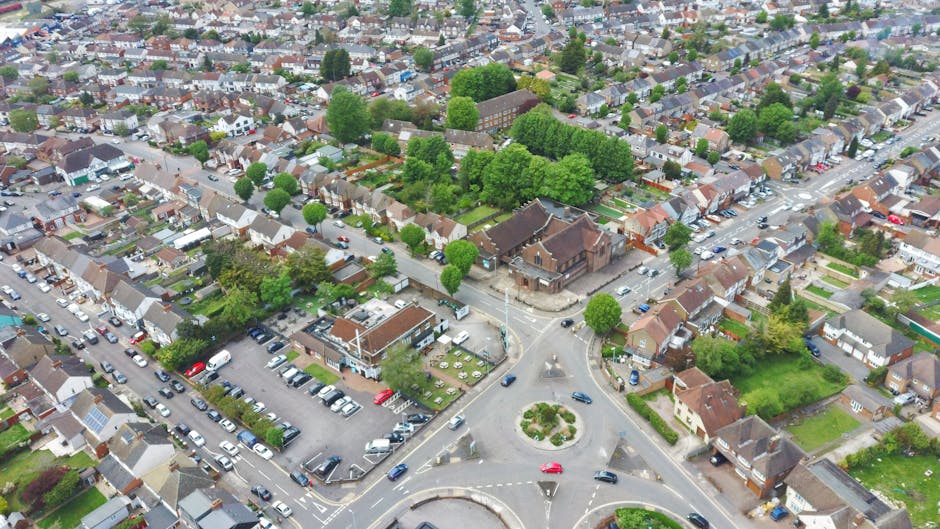
Confused by Sutton Council bulky uplift in Belmont?
If you have a sofa in the hall, a broken wardrobe in the garden, or a pile of old bits that has quietly grown into a mountain, you are not alone. Many people searching for Confused by Sutton Council bulky uplift in Belmont? are really asking a simpler question: what should I do next, how much hassle is this going to be, and is there an easier way to get the job done?
This guide breaks it down in plain English. You will learn how bulky uplift services usually work, why people in Belmont look for them, what to check before booking, and when a private clearance service may be a better fit. We will keep it practical, local, and realistic. No fluff. No vague nonsense.
And because this is one of those jobs that often gets left until the last minute, we will also cover the common mistakes people make when they try to rush it on a Sunday evening. Let's face it, that is usually when the panic starts.
Table of Contents
- Why Confused by Sutton Council bulky uplift in Belmont? Matters
- How Confused by Sutton Council bulky uplift in Belmont? Works
- Key Benefits and Practical Advantages
- Who This Is For and When It Makes Sense
- Step-by-Step Guidance
- Expert Tips for Better Results
- Common Mistakes to Avoid
- Tools, Resources and Recommendations
- Law, Compliance, Standards, or Best Practice
- Options, Methods, or Comparison Table
- Case Study or Real-World Example
- Practical Checklist
- Conclusion
- Frequently Asked Questions
Why Confused by Sutton Council bulky uplift in Belmont? Matters
Bulky waste sounds straightforward until you actually have to move, sort, and get rid of something awkward, heavy, or too large for your normal bin collection. In Belmont, that can mean old beds, mattresses, wardrobes, broken chairs, suitcases, garden furniture, or the sort of random items that seem harmless until you realise they are taking over the spare room.
The reason this matters is simple: bulky items are not the same as everyday household rubbish. They often need booking, handling, and disposal planning. If you get that wrong, the result is usually delay, frustration, and a cluttered space that still feels unfinished. Not ideal when you have moving day looming or guests arriving tomorrow.
For many households, bulky uplift is about convenience, but it also affects safety and tidiness. Large items left in shared hallways, front gardens, or driveways can become a trip hazard. In flats, they can block access. In houses, they can create fire risk or just make the place feel heavy and cramped. A bit dramatic? Maybe. But if you have ever tried to squeeze past a dismantled sofa in a narrow corridor, you will know what I mean.
There is also an important practical point: different removal routes suit different situations. A council bulky uplift may be fine for a small number of items, while a fuller clearance job may be better handled through a dedicated service such as house clearance, home clearance, or furniture disposal.
How Confused by Sutton Council bulky uplift in Belmont? Works
At a basic level, a bulky uplift is a collection arranged for items that are too large for standard waste bins. The exact process can vary, but the usual pattern is familiar: you identify the items, check what type of waste they are, arrange collection, and make sure they are ready at the agreed place and time.
In practical terms, the process often depends on a few things:
- the type of item you want removed
- how many pieces there are
- whether the items can be carried safely
- if they need dismantling first
- where the items are located, such as a flat, house, loft, garage, or garden
The easiest way to think about it is this: a bulky uplift is usually for a manageable number of large items, not a full property clear-out. Once you are dealing with multiple rooms, loft clutter, or post-renovation debris, a broader clearance service is often more sensible. For example, a tired sofa and a broken chest of drawers might fit a simple uplift. But a garage packed with old shelving, broken tools, and household leftovers is drifting into garage clearance territory.
Timing matters too. Some collections are arranged days ahead, not instantly. If you are under pressure, that waiting period can be the thing that throws your week off. A lot of people only realise this after they have already pulled the wardrobe away from the wall and can no longer shut the bedroom door. Small detail. Big annoyance.
If your job involves bulky office furniture or commercial items, the logic is similar but the context changes. In that case, looking at office clearance or business waste removal may make more sense than a household uplift.
Key Benefits and Practical Advantages
When people compare bulky uplift options, they are usually not looking for theory. They want to know what actually gets easier. Fair enough.
The main benefits usually include:
- Less physical strain - you do not have to wrestle a mattress down the stairs by yourself.
- Faster room recovery - once the item is gone, the space suddenly feels usable again.
- Safer handling - awkward items are less likely to damage walls, floors, or backs.
- Better planning - a structured collection gives you a deadline, which helps when decluttering.
- Cleaner finish - less chance of items lingering outside for days.
There is also a mental benefit people often underestimate. A cluttered room can make a property feel half-finished. The moment the bulky item leaves, the whole place can feel calmer. You notice the floor again. The light gets in differently. It sounds a bit poetic for a rubbish article, but it is true.
For homeowners, the uplift can form part of a wider reset before decorating, moving, or hosting family. For landlords and agents, it can help turn a problematic room into something ready for handover. For businesses, it supports a tidy, professional premises and reduces the amount of stored waste hanging around.
If your clearance needs extend beyond one or two objects, it may be worth reviewing pricing and quotes so you can compare the cost of a one-off uplift against a wider clearance service.
Who This Is For and When It Makes Sense
This kind of service is not just for people moving house. In Belmont, it can make sense for all sorts of everyday situations.
You may need help if you are:
- clearing out a spare room or loft before decorating
- getting rid of worn-out furniture after a replacement delivery
- sorting a garage that has become a storage catch-all
- emptying a flat between tenancies
- removing garden furniture or old outdoor clutter
- dealing with a small renovation mess or leftover building waste
Sometimes the decision is obvious. A sofa that no longer fits the room has to go. Other times, it is less clear. A table, a bookcase, two broken chairs, and a bag of random stuff may not feel like a huge job individually, but together they become awkward, heavy, and time-consuming. That is often the moment where a proper collection starts to look attractive.
For flats, access is a big factor. Narrow stairwells, shared entrances, and parking constraints can make DIY removal much harder than expected. A dedicated flat clearance service can be a more practical route when items have to be carried through tight spaces without upsetting neighbours or scuffing the walls. To be fair, that is exactly where most DIY plans start to wobble.
For larger household jobs, loft clearance or house clearance can save a lot of time if the bulky waste is only part of a bigger clean-out.
Step-by-Step Guidance
If you are not sure where to begin, use this simple approach. It keeps things under control and helps you avoid that messy middle stage where the hall is full of furniture and nobody knows what happens next.
- List every item
Write down what needs removing. Be specific. "Old furniture" is less useful than "double mattress, two bedside tables, one pine wardrobe, and a broken office chair". - Separate bulky waste from reusable items
Some items may still have life left in them. Others are pure disposal. Knowing the difference helps you choose the right route. - Check access
Measure doorways, stairs, lift access, and parking if needed. This sounds dull, but it prevents last-minute stress. - Decide whether dismantling helps
Sometimes a bed frame or wardrobe is much easier to move in sections. Other times, dismantling creates more mess than it solves. Use judgement. - Choose the right service level
One or two large pieces may suit a simpler uplift. A full room or property usually needs a more comprehensive clearance. - Prepare the items safely
Remove loose contents, bag small bits separately, and keep pathways clear. - Confirm the collection plan
Make sure everyone knows what is being taken, where it is, and when it needs to be ready. - Inspect the space afterwards
Check corners, behind doors, under stairs, and inside cupboards. Hidden clutter has a funny habit of surviving everything.
For garden-heavy clearances, the same logic works, but outdoors. Items can include broken planters, old fencing, rotting furniture, bags of green waste, and the kind of mystery objects that appear after winter. A garden clearance is often the sensible option when the pile is too mixed for a simple uplift.
Expert Tips for Better Results
In our experience, the smoothest removals are rarely the ones with the fanciest plan. They are the ones where someone spent ten minutes doing the unglamorous prep.
Here are a few things that genuinely help:
- Bundle similar items together so the collection is easier to handle.
- Take photos before you book if you want a clearer quote or advice.
- Clear a path first rather than after the movers arrive. It saves faffing about.
- Think about weight, not just size. A small filing cabinet can be nastier to shift than a bulky but light chair.
- Flag access problems early such as stairs, parking restrictions, or locked gates.
- Keep useful items separate if you plan to donate, reuse, or resell anything.
One useful habit is to sort by room. It sounds obvious, but it prevents the classic "pile it all in one corner" approach, which then turns into a mini landfill of mixed stuff. If you are tackling a whole property, pairing your planning with home clearance or furniture clearance can make the job feel far less overwhelming.
Another tip: do not wait until you have completely run out of space. Most people leave bulky waste until it becomes annoying enough to ignore no longer. By then, the room already feels smaller. Better to deal with it before the clutter starts affecting daily life.
Common Mistakes to Avoid
This is the part where people usually nod along, then do the opposite a week later. Happens all the time.
The most common mistakes are:
- Booking the wrong type of service for the amount of waste you actually have
- Leaving items too late and assuming they will disappear by magic
- Not checking access, especially in flats or narrow terraces
- Forgetting about dismantling until collection day
- Mixing reusable items with waste and losing the chance to keep or repurpose them
- Ignoring safety when lifting awkward or sharp objects
A subtle one is underestimating how long the clean-up after removal takes. The item may be gone, but dust, screws, brackets, and packaging fragments often remain. A quick sweep after the job is worth doing. Nobody wants to discover a rogue screw with their sock at 9pm.
Another mistake is forgetting that different waste streams may require different handling. Builders' leftovers should not be treated like normal household items. If your bulky uplift is part of a renovation or repair project, look at builders waste clearance or broader waste removal options instead of trying to force everything into one bucket.
Tools, Resources and Recommendations
You do not need a full toolkit to handle bulky waste well, but a few basic items can make life easier. The aim is to reduce effort and improve safety, not to turn the hallway into a warehouse.
Useful things to have on hand include:
- packing tape
- heavy-duty bin bags
- gloves with grip
- a basic screwdriver or Allen key set
- markers or labels
- a measuring tape
- moving blankets or old sheets for protecting floors and corners
For admin and reassurance, it helps to understand who you are dealing with. Reading a company's about us page can tell you whether they seem organised, transparent, and experienced enough for the job. It is a small thing, but it matters when someone is coming into your home or business premises.
If you are concerned about how payments work, checking payment and security is sensible too. Good operators should be clear about what is covered, when payment is due, and how sensitive information is handled.
And if you are the kind of person who likes to read the fine print before anything happens, the terms and conditions and privacy policy pages are worth a look. Slightly boring, yes. Still useful.
Law, Compliance, Standards, or Best Practice
Bulky waste is not just a practical issue; it also touches on safe handling, responsible disposal, and careful planning. You do not need to become a waste expert, but a few basic best practices are worth keeping in mind.
First, items should be handled safely to reduce the risk of injury or damage. That means sensible lifting, clear walkways, and not trying to drag heavy objects down stairs on your own. If something feels unstable, sharp, or simply too awkward, stop. A bit of caution beats a twisted back, every time.
Second, materials should be dealt with in a way that supports proper reuse, recycling, or disposal. For many households and businesses, that means separating furniture, mixed waste, green waste, and building materials rather than dumping everything together. If sustainability matters to you, it is worth checking a provider's recycling and sustainability information so you know how they approach sorting and diversion from disposal.
Third, businesses have additional obligations around waste management and storage. If you are clearing offices, stock rooms, or commercial premises, use a service that understands business waste and practical site access. A simple domestic approach is not always enough. That is where business waste removal can be more appropriate.
Finally, trust matters. A clear complaints procedure, visible insurance and safety information, and a straightforward health and safety policy are all good signs. They show that the service is not just trying to get in and out quickly, but is thinking about the job properly.
Options, Methods, or Comparison Table
When people are confused by bulky uplift choices, the main decision is usually not whether to remove the items. It is how to remove them in the least painful, most sensible way.
| Option | Best for | Pros | Limitations |
|---|---|---|---|
| Council bulky uplift | A few large household items | Simple for small jobs, familiar route for many residents | May require booking, limits, and careful preparation |
| Private bulky clearance | Mixed or awkward items, tighter timelines | More flexible, can suit bigger or faster jobs | May cost more depending on volume and access |
| Full house clearance | Multiple rooms, probate, downsizing, or move-outs | Covers more ground in one visit | May be more than you need for just a couple of items |
| Furniture-specific disposal | Sofas, wardrobes, tables, beds | Good for bulky household pieces | Not ideal if you also have garden or builders waste |
| General waste removal | Mixed rubbish and clutter | Flexible for varied waste streams | Needs clear sorting and access planning |
There is no single winner for every situation. If you only have one mattress and a broken armchair, a straightforward uplift may be enough. If you are staring at a hallway that looks like a furniture showroom after a storm, a wider clearance service is probably the smarter move. Simple, really.
Case Study or Real-World Example
Here is a typical Belmont scenario.
A family has been using the spare room as overflow storage for years. First came an old bed. Then a wardrobe. Then two office chairs, a chest of drawers, and several bags of miscellaneous stuff that were always meant to be sorted "next weekend". By the time they finally looked at it properly, the room was basically unusable.
At that point, a single-item uplift would have been too limited. What they needed was a planned, room-by-room clearance approach. The practical steps were simple: make a list, separate what could be kept, identify the furniture to go, and choose a service that could handle more than just one bulky item. They also checked access so there were no surprises with the stairs and hallway.
The result was not just an empty room. It was a room that could actually be used again. Paint, storage, fresh carpet, maybe a desk later on. That is the real value here. The removal itself is only part of it; the reclaimed space is the bit people remember.
For similar situations, especially where furniture is the main issue, it can help to review furniture clearance and decide whether the job is really about one bulky uplift or a wider tidy-out. Truth be told, most people realise the answer pretty quickly once they start listing everything down.
Practical Checklist
Use this before booking or arranging collection.
- Make a full list of the items
- Check whether anything can be reused, donated, or sold
- Measure access points if the items are large
- Confirm if dismantling is needed
- Clear hallways and pathways
- Separate furniture, garden waste, office items, and builders waste
- Take photos if you need advice or a quote
- Read the relevant service pages before you decide
- Check payment details and any terms in advance
- Leave a final sweep for small screws, dust, and bits
If the waste is spread across more than one part of the property, it can be useful to think in zones: loft, garage, garden, office, living room. That mindset stops the job from becoming one huge vague pile, which is where most people lose momentum.
Conclusion
If you came here feeling unsure about Sutton Council bulky uplift in Belmont, the big takeaway is this: start with the actual items, not the label. A bulky uplift can be the right answer for a few large pieces, but once the job becomes mixed, awkward, time-sensitive, or spread across rooms, you may be better served by a more flexible clearance approach.
Keep safety in mind, plan access carefully, and do not underestimate how much easier life feels once the clutter is gone. Even a single cleared room can change the whole rhythm of the house. And if you are comparing options, a little preparation now saves a lot of faffing later. That part never really changes.
Get a free quote today and see how much you can save.
Sometimes the easiest way forward is simply to get the heavy thing out of the way and let the room breathe again. Nice feeling, that.
Frequently Asked Questions
What is a bulky uplift in plain English?
A bulky uplift is a collection service for large items that are too big for standard bins, such as sofas, mattresses, wardrobes, or old tables. It is usually used for one-off items or a small number of pieces.
How do I know if my items are suitable for a council bulky uplift?
Think about size, number of items, and access. If you have only a few large household pieces, it may fit. If the job includes multiple rooms, mixed waste, or awkward access, a broader clearance service may be more suitable.
Is bulky waste the same as general rubbish?
No. Bulky waste usually means larger items that need special handling. General rubbish is typically smaller, bagged waste. Mixing the two without checking first can lead to delays or extra hassle.
Can I put broken furniture out for collection as it is?
Sometimes yes, but it is usually better to remove loose parts, sharp edges, and hidden contents first. That makes collection safer and easier. If possible, dismantling can help, but only when it genuinely reduces the problem.
What if my bulky items are in a flat with no lift?
That is where planning really matters. Measure the stairs, check door widths, and think about weight and shape. A flat clearance approach is often more practical than trying to shift everything yourself.
Do I need to sort furniture from other waste?
Yes, where possible. Furniture, garden waste, office waste, and builders waste are often better handled separately. That helps with disposal planning and makes the job more efficient.
What should I do before collection day?
List the items, clear pathways, separate keep/reuse items, and make sure access is ready. A small bit of prep usually saves a lot of time on the day. It is boring work, but worthwhile.
Is a private clearance service better than a council bulky uplift?
It depends on the job. Private clearance can be more flexible for timing, access, and mixed waste. Council uplift may be fine for a small, simple collection. The best choice is the one that matches your actual workload.
Can bulky uplift include garden furniture or outdoor items?
Sometimes, yes, but outdoor waste often needs closer thought because it may include mixed materials, rot, soil, or green waste. For heavier outdoor jobs, garden clearance may be the better fit.
What should I look for in a trustworthy clearance provider?
Look for clear service information, transparent pricing, sensible safety guidance, and straightforward policies. Pages like insurance and safety, health and safety policy, and recycling and sustainability can give you a good feel for how seriously a company takes the work.
What if I also need a loft, garage, or house clearance?
Then it may make more sense to look beyond bulky uplift and choose a fuller service. Depending on the space, loft clearance, garage clearance, or house clearance might be the more practical route.
Where can I ask about a specific job or get more details?
If you want direct guidance, use the information on the site and review the service pages that match your waste type. If the job feels unusual or awkward, getting the details clear before collection is always the safer move.