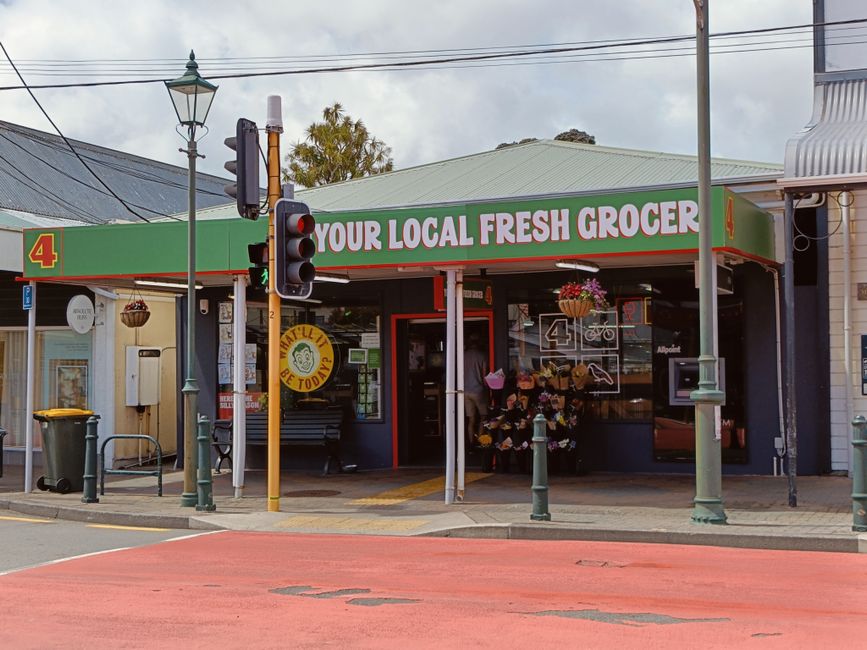
Belmont High Street Rubbish Removal Guide for Local Shops
If you run a shop on Belmont High Street, rubbish has a way of building up quietly until it suddenly becomes the thing everyone notices. Cardboard boxes leaning by the back door, broken display items, old stock, packaging film, a wobbly chair no one wants to sit on anymore - it all adds friction. This Belmont high street rubbish removal guide for local shops is designed to help you clear that clutter safely, keep trading smoothly, and avoid the awkward last-minute panic that tends to happen on a busy Thursday afternoon.
Truth be told, local shops do not need a complicated waste system. They need something dependable, tidy, and easy to fit around customers, deliveries, and the general hustle of a high street. In the sections below, you will find practical steps, simple decision-making advice, compliance reminders, and a few real-world tips that make rubbish removal feel much less like a headache.
- Why it matters
- How it works
- Key benefits
- Who needs this
- Step-by-step guidance
- Expert tips
- Common mistakes
- Tools and resources
- Law, compliance and best practice
- Options and comparison
- Real-world example
- Practical checklist
- Conclusion
- Frequently asked questions
Why Belmont high street rubbish removal guide for local shops Matters
High street shops live and die by presentation. Customers might not say it out loud, but they notice when the back lane is blocked, the bin area smells, or overflow waste spills into the wrong place. A clean frontage and a controlled waste routine help a shop look open, cared for, and ready for business. That is especially true in a busy retail strip where every square metre matters.
Good rubbish removal also protects the flow of the day. If staff have to step around piles of packaging, old shelving, or end-of-season stock, they waste time and increase the chance of trips, cuts, and awkward lifting. It is not glamorous, obviously. But it is one of those behind-the-scenes jobs that quietly keeps the whole operation running.
For many shop owners, waste builds up in predictable bursts: after deliveries, after refits, after stock changes, after a rush period, or after a bit of spring cleaning that was supposed to take an hour and somehow turned into a half-day marathon. A sensible rubbish removal plan cuts through that mess before it turns into a bigger problem.
There is also the customer-side reality. When rubbish sits near entrances, side alleys, or shared access points, it creates a poor impression. On a high street, word gets around. Not always in a dramatic way - just a glance, a comment, a quiet decision to visit the shop next door instead. So yes, waste management is practical, but it is also part of your brand.
How Belmont high street rubbish removal guide for local shops Works
At a basic level, shop rubbish removal is about sorting, collecting, loading, and disposing of waste in a way that fits your trading hours and your space. The right approach depends on what you are getting rid of, how much there is, and whether any of it needs special handling.
In the local-shop context, there are usually four common routes:
- Ongoing business waste removal for regular rubbish, cardboard, packaging, and day-to-day waste.
- One-off waste removal for a big clear-out, refit, stockroom tidy, or end-of-lease job.
- Furniture disposal for counters, chairs, shelving, display units, or damaged fittings.
- Mixed clearance where you have a bit of everything - a classic shop job, really.
A good provider will usually assess the volume and type of waste, agree access requirements, and arrange collection in a way that does not get in the way of trade. For example, a shop may need an early morning clearance before opening, or a late-afternoon slot after footfall drops. That small detail matters more than people think.
If your rubbish includes bulky fittings, old office items, or shop furniture, it can help to look at related services such as business waste removal and furniture disposal. For larger refits or heavier mixed waste, builders waste clearance may be more suitable, especially where there are broken fixtures, plasterboard, packaging, or materials left after renovation work.
And for shops with stockrooms that also act like a storage unit, a broader waste removal service can be a cleaner fit than trying to manage everything item by item. It saves time. It saves backache too, which is no small thing by the end of a busy week.
Key Benefits and Practical Advantages
The obvious benefit is space. Once old stock, broken packaging, and unwanted fixtures are gone, the shop breathes again. Staff can move freely, stock can be stored more logically, and the back-of-house area stops feeling like a game of Tetris with bin bags.
There are a few other advantages worth spelling out.
- Better customer impression: A tidy frontage and clean access point make the business feel cared for.
- Less staff disruption: Teams can focus on serving customers instead of shifting rubbish around.
- Improved safety: Fewer trip hazards, less clutter, and better movement through narrow spaces.
- Faster refits or stock changes: Old material can be cleared before new shelving or merchandise arrives.
- More predictable costs: A planned clearance is easier to budget for than repeated emergency fixes.
There is also a softer benefit that shop owners often mention after the job is done: relief. Not dramatic relief, just that quiet feeling of having one less thing to chase. You walk in the next morning and the place feels lighter. Cleaner. More manageable. That matters, especially when the shop is already juggling staffing, deliveries, and customers asking where the socks are.
Used well, rubbish removal supports the whole trading environment. It is not just about taking things away. It is about giving the shop room to function properly again.
Who This Is For and When It Makes Sense
This guide is for local retailers, independents, convenience stores, salons, cafes with small retail areas, charity shops, takeaways with back-of-house waste, and any shop that ends up with bulky rubbish, surplus stock, or unwanted fittings. If you manage a premises with limited storage, you will feel the pressure earlier than most.
It also makes sense if you are facing one of these situations:
- seasonal stock rotation and packaging build-up
- a shop refit or refresh
- closing a display area or changing layout
- clearing damaged shelving or broken furniture
- emptying a stockroom that has become, let us say, very ambitious
- reducing rubbish before a busy trading period
Some shop owners wait until waste becomes visibly unmanageable. Fair enough, everyone is busy. But in practice, it is usually cheaper and less stressful to clear it before it causes access issues, smells, or operational delays. If you are already thinking, "we should sort this soon," that is normally the right moment.
For shop teams managing mixed premises, it can help to think beyond the shop floor itself. The same provider that handles retail waste may also be useful for storage spaces, staff areas, or any small adjacent property. If you also oversee a flat above the shop, flat clearance can be relevant in a different context, while office clearance may suit back-office areas or admin rooms with old desks, chairs, and paperwork-heavy furniture.
Step-by-Step Guidance
Here is a simple way to approach rubbish removal without overcomplicating it. The goal is clarity, not a spreadsheet that makes your eyes glaze over.
- Identify the waste type. Separate cardboard, general rubbish, bulky items, and anything that could need special handling. Even a rough split helps.
- Estimate the volume. Is it a few bags, several bulky items, or a stockroom clear-out? A small overestimate is better than being caught short.
- Check access. Think about door widths, loading bays, pedestrian traffic, parking restrictions, stairs, and whether the collection needs to happen before opening.
- Decide what stays. Be firm. A surprising number of "maybe keep it" items end up sitting in storage for another year.
- Choose the right service. Regular business waste suits ongoing disposal. A one-off clearance suits a larger tidy-up or a refit.
- Plan timing around trading. Early mornings and quieter windows reduce disruption. If your shop is busy all day, this matters a lot.
- Prepare the area. Stack items safely, keep walkways clear, and label anything fragile or awkward.
- Confirm disposal expectations. Ask how the waste will be handled, especially where recycling or separation is relevant.
A practical tip: if you are clearing a shop after a display change, do the sweep in two passes. First, remove the obvious waste. Second, walk the space again with fresh eyes. You will always spot a few extra items. Always.
If you are dealing with mixed items that include old seating, broken counters, or wooden fixtures, furniture clearance may be the best match. It is often faster than trying to break everything down yourself, and frankly, that can get messy in a hurry.
Expert Tips for Better Results
Over time, the shops that keep rubbish under control tend to do a few small things consistently. Nothing fancy. Just disciplined habits that stop waste from getting away from them.
- Keep a small waste map: Know where boxes, packaging, broken items, and returns tend to accumulate.
- Set a weekly reset: One short session can prevent a much bigger clear-up later.
- Label disposal zones: Staff move faster when they know what goes where.
- Separate bulky items early: Old shelving and display pieces should not sit in the same pile as standard waste.
- Use a buffer before busy periods: Clear rubbish before weekends, promotions, or delivery spikes.
It also helps to keep a simple "not today, but soon" pile. That sounds vague, yes, but it works. Items that are not urgent should not sit in the way of stock handling or customer movement. Put them somewhere defined, then schedule them out. Otherwise they drift. Waste has a funny habit of doing that.
Another smart move is to think about what waste is actually costing you in time. If two staff members spend half an hour moving junk out of the way every other day, that adds up. Fast. In many cases, the cost of a planned clearance looks better once you factor in the hidden labour and lost space.
And if the waste includes awkward or heavy items, do not let "we can probably manage it" become the plan. That is often how back injuries, scuffed walls, and broken stock happen. Not ideal.
Common Mistakes to Avoid
Most rubbish-removal problems are not dramatic. They are small, avoidable mistakes that stack up.
- Waiting too long: Waste grows. Shops get busy. The problem becomes twice as annoying.
- Underestimating volume: A few boxes can turn into a full van load once they are broken down.
- Mixing everything together: Separation is usually easier than trying to untangle one giant pile later.
- Ignoring access issues: Parking, loading, and timing matter more than people expect.
- Keeping broken furniture "just in case": That chair is not coming back. Be honest.
- Leaving waste in customer view: Even temporary clutter can make a shop look untidy.
One of the most common mistakes is treating the stockroom like a holding pen for indecision. If an item has been there long enough to collect dust, it probably needs a decision, not a second chance. Harsh, but fair.
Another mistake is not checking what a provider can actually handle. A business waste collection may be ideal for regular waste, while a full clearance is better for mixed bulky items. Matching the job to the service saves hassle later. It is the sort of thing that seems small until it isn't.
Tools, Resources and Recommendations
You do not need a warehouse full of equipment to manage shop rubbish well. A few practical tools make life easier.
- Heavy-duty sacks or bins: Better for safe containment and easier handling.
- Box cutters and tape: Useful for breaking down cardboard neatly.
- Gloves: Basic protection for staff dealing with rough edges or dusty stockroom items.
- Labels or coloured tape: Helps separate items for disposal, recycling, or retention.
- Measuring tape: Handy when checking whether bulky items will fit through exits.
On the service side, a few pages are worth keeping in mind if your shop waste overlaps with other clearance needs. pricing and quotes is useful when you are budgeting a one-off job, while recycling and sustainability matters if you want a clearer sense of how reusable or recyclable items are treated.
If your shop has a broader premises issue - perhaps a storage room, garage-like outbuilding, or a cluttered area behind the main unit - the related pages on garage clearance, home clearance, and house clearance can also help show the wider range of clearance approaches available. They are not shop-specific, of course, but the logic of sorting, removing, and disposing carefully is similar.
A small but worthwhile recommendation: keep a record of recurring waste types. After a month or two, you will spot patterns. Maybe cardboard is the main issue. Maybe old display items are the bigger headache. That makes future planning far easier.
Law, Compliance, Standards, or Best Practice
Waste in the UK is not something to treat casually, especially for businesses. The exact duties depend on the type of waste and the way it is handled, so it is wise to work with a provider that understands commercial waste expectations and follows sensible procedures. You do not need to become a legal expert, but you do need to be careful.
In plain English, good practice usually means:
- keeping waste under control and stored safely before collection
- separating recyclables where practical
- using a reputable collector for business waste
- avoiding fly-tipping or informal disposal arrangements
- making sure staff understand what can and cannot be placed in general waste
For shops, the main risk is not usually something dramatic. It is more often a slow drift into poor habits: placing bins where they obstruct access, mixing materials that should be separated, or failing to plan for waste generated by a refit. A good routine reduces that risk sharply.
Health and safety matters too. Heavy lifting, sharp packing straps, broken glass, and awkward furniture all create risk. If you are moving items through narrow shop aisles or shared corridors, take your time. Rushed clearance is where accidents happen, and nobody wants a quiet Tuesday to become the day someone tweaks a shoulder and mutters about it for a week.
It is also sensible to review service terms and payment handling before booking. If you want to understand how a provider approaches professionalism, care, and process, pages like health and safety policy, insurance and safety, payment and security, and terms and conditions are all sensible places to look.
Options, Methods, or Comparison Table
Different shops need different waste solutions. Here is a straightforward comparison to help you choose the right route.
| Method | Best for | Strengths | Watch-outs |
|---|---|---|---|
| Regular business waste removal | Ongoing rubbish, packaging, daily trade waste | Predictable, easy to schedule, fits routine operations | Less suitable for bulky one-off items |
| One-off rubbish clearance | Stockroom clear-outs, refits, general shop clean-downs | Fast, flexible, handles mixed waste well | Needs clear planning if access is tight |
| Furniture disposal | Old counters, chairs, shelving, display pieces | Good for bulky items and awkward lifting | May need more space and careful handling |
| Builders waste clearance | Refits, strip-outs, renovation leftovers | Suitable for heavier, messier material | Not ideal for simple day-to-day waste |
If you are unsure, start by asking what kind of waste makes up most of the job. That usually points you to the right service faster than anything else. In many cases, the answer is a mixed one - a little regular waste, a few bulky items, and a fair bit of packaging. Shops are like that. Rarely neat. Often workable, though.
Case Study or Real-World Example
Imagine a small Belmont High Street gift shop after a seasonal refresh. The owner has new display units arriving, old shelving to remove, and a stockroom packed with cardboard, damaged packaging, and a few display props that have seen better days. Nothing dangerous, but enough to make the back area feel cramped and chaotic.
Instead of trying to handle everything between customers, the shop team sorts the waste into three groups: cardboard, bulky display items, and general rubbish. They clear a path from the stockroom to the service entrance, set aside items that will be reused, and schedule collection for early morning before opening.
The result is simple but effective. Staff spend less time stepping around clutter, the refit happens faster, and the shop looks calmer the next day. No drama. No wasted afternoon. Just a cleaner working environment and a smoother week.
That kind of job comes up more often than people expect. Sometimes the mess is from a refit. Sometimes it is just the slow accumulation of boxes, broken hangers, old signage, and bits of furniture nobody has had the time to sort. The pattern is the same: once a plan exists, everything gets easier.
Practical Checklist
Use this quick checklist before arranging a shop clearance. It keeps the job focused and stops obvious mistakes.
- Sort waste into general, bulky, cardboard, and reusable items.
- Measure any oversized items and check access routes.
- Confirm when collection can happen without disrupting customers.
- Move fragile stock out of the way before work begins.
- Label anything that should stay on site.
- Clear walkways and make the loading area safe.
- Check whether the job suits regular waste removal or a one-off clearance.
- Review pricing, terms, and safety information before booking.
- Plan who on your team will oversee the handover.
- Do a final sweep once the waste is gone. You will spot something, usually.
Expert summary: The best shop rubbish removal plan is the one that protects trading time, keeps the premises safe, and clears waste before it starts interfering with customers or staff. Simple beats clever here.
Get a free quote today and see how much you can save.
Conclusion
A well-run rubbish removal plan is one of the quiet strengths of a good local shop. It keeps your space usable, your team safer, and your customer experience cleaner from the moment they step through the door. On a busy high street, those small advantages add up quickly.
The main thing is not to wait until clutter becomes unavoidable. A little planning, the right removal method, and a sensible approach to access and timing can save a surprising amount of disruption. To be fair, that is what most shop owners want anyway: fewer interruptions, fewer surprises, and a back-of-house area that does not look like chaos in cardboard form.
If you take one thing from this guide, let it be this: rubbish removal works best when it is treated as part of everyday shop management, not as an emergency clean-up at the last second. Once you get that rhythm right, the whole place feels easier to run. And that is worth quite a lot.
A calmer shop is rarely an accident. It is usually the result of a few steady, sensible choices made on time.
Frequently Asked Questions
What is the best rubbish removal option for a small shop on Belmont High Street?
For most small shops, the best option depends on the type of waste. Regular business waste removal suits ongoing rubbish and packaging, while a one-off clearance is usually better for bulky items, stockroom clear-outs, or refits.
How do I know if I need business waste removal or furniture disposal?
If the waste is mostly everyday rubbish, cardboard, or packaging, business waste removal is usually the better fit. If you are getting rid of counters, chairs, shelving, or display units, furniture disposal is often more appropriate.
Can shop rubbish be cleared outside opening hours?
Yes, in many cases it can. Early morning or late-day collections are often used so the work does not interfere with customers, deliveries, or staff movement.
What should I do before a rubbish collection arrives?
Sort the waste, clear access routes, move fragile stock, and set aside anything that must stay on site. A little preparation makes the collection faster and safer.
Is it worth booking a full clearance for a small shop refit?
If the refit involves mixed waste, broken fittings, old furniture, and packaging, a full clearance is often the simplest route. It avoids multiple trips and makes the space ready more quickly.
How can I reduce rubbish in a busy retail shop?
Break down cardboard quickly, separate waste at source, schedule regular collections, and review what is being stored unnecessarily. It sounds basic, but it really does help.
What if my shop stockroom is full of mixed junk and old fixtures?
That is usually a sign for a broader waste removal or clearance service. Mixed waste is common in shops, especially after seasonal changes or long periods of patchy organisation.
Do I need to worry about compliance when disposing of business waste?
Yes. Business waste should be handled carefully and in line with accepted UK practice. The safest approach is to use a reputable provider and keep waste separated and stored properly before collection.
How long does a typical shop rubbish removal job take?
It varies a lot. A small tidy-up might be quick, while a full stockroom or refit clearance can take longer. Access, volume, and the type of waste all affect timing.
What kind of waste is hardest to remove from a shop?
Bulky furniture, awkward display fixtures, and mixed refit waste tend to be the trickiest because they take more lifting, more planning, and more careful handling through tight access points.
Can rubbish removal help improve the look of my shop?
Absolutely. A clean entrance, clear stockroom, and tidy waste area all make a shop feel more professional. Customers notice that, even if only subconsciously.
Where can I learn more about safety, pricing, and sustainability?
Useful starting points include the site's pages on pricing and quotes, health and safety policy, insurance and safety, and recycling and sustainability. They help explain what to expect before you book.
If you are comparing options or planning a larger clear-out, it also helps to learn a bit about the business behind the service. The about us page can give extra context, and the contact us page is the sensible next stop if you are ready to ask about your own shop waste.